
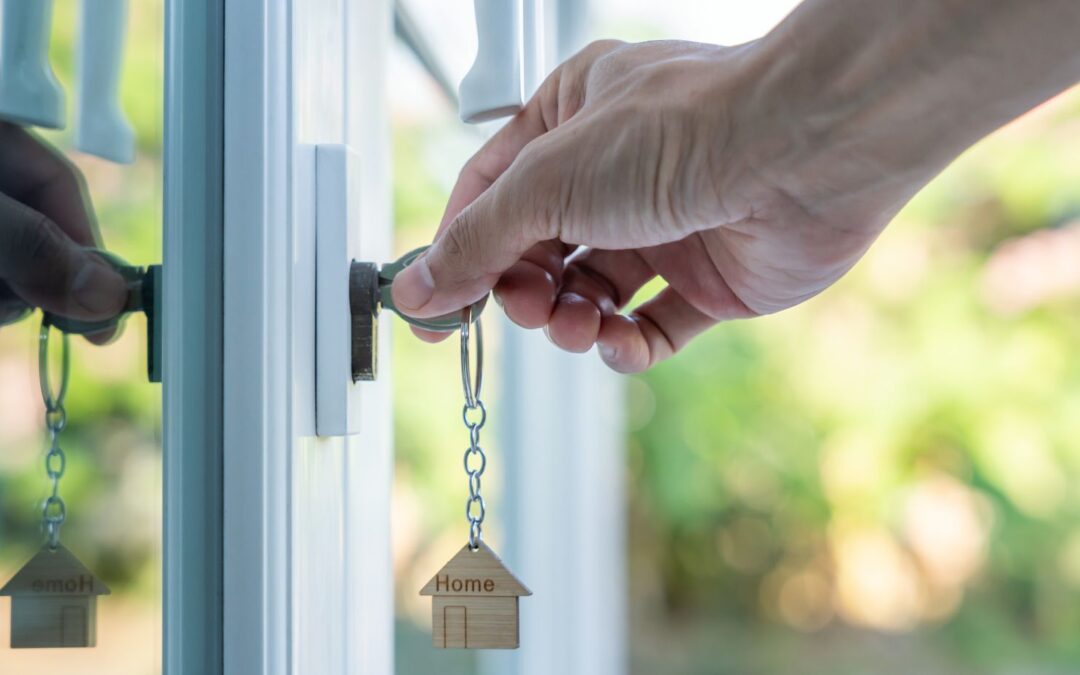
If you’ve been researching how to protect your home without a security system, you’re certainly not alone. Many homeowners want to improve their safety without committing to a professionally installed alarm or monitoring solution, at least for now. This could be due to budget considerations, rental restrictions, or simply because you are early in your home security journey.
There are several practical and effective steps you can take to reduce risk and make your property less appealing to potential intruders. However, it’s important to understand that while DIY security measures can strengthen your home, they work best as part of a layered approach to safety.
To help you figure out the best approach for you and your home, our security experts have put together these helpful strategies you can put in place immediately, while also explaining where professional support can add protection where it matters most.
Start With Strong Physical Security
One of the most effective answers to how to protect your home without a security system begins with physical security. Most burglars are opportunistic and tend to look for homes that offer quick and easy access.
To increase your home security, consider things like:
Doors
Exterior doors should ideally be solid-core or metal rather than hollow. Installing high-quality deadbolts and reinforced strike plates can also help to protect against forced entry. Sliding doors should never be overlooked either. A security bar or track blocker is a simple addition that can prevent them from being lifted or pried open.
Windows
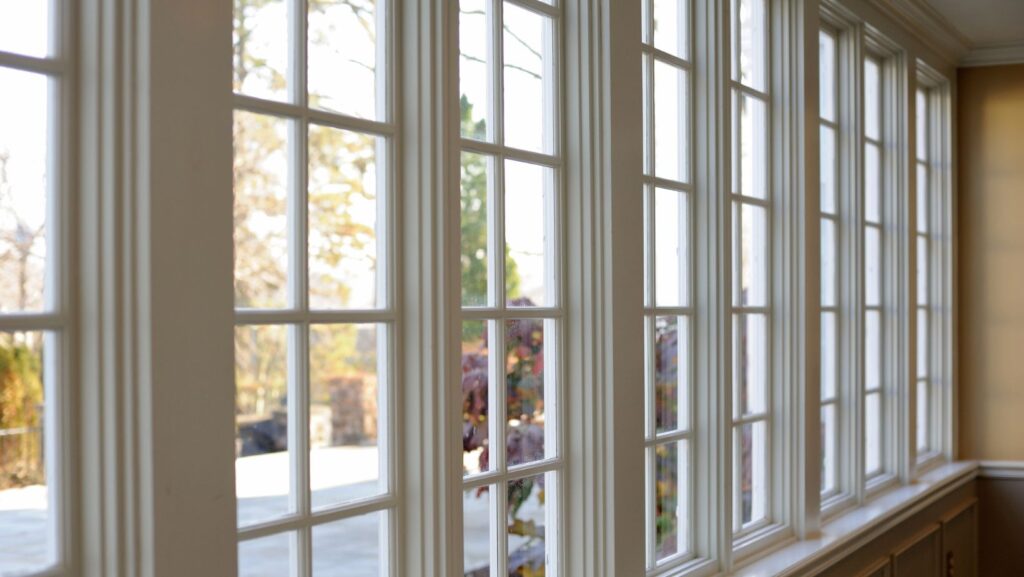
Make sure any window locks are functioning properly and think about applying shatter-resistant film to ground-floor windows or those hidden from street view. While the film doesn’t make the glass unbreakable, it can slow down entry attempts, and that delay alone can deter an intruder.
Use Lighting To Your Advantage
Lighting is one of the simplest yet most powerful deterrents available to homeowners. Darkness provides cover, while a well-lit home increases visibility and reduces opportunities for someone to approach unnoticed.
Motion-Activated Lighting
This kind of lighting is particularly effective near entry points, garages, pathways, and the sides of your home. A sudden flood of light can startle someone and attract attention from neighbours or passersby.
Timers and Smart Bulbs
Inside your home, automated lighting can help create the impression that someone is present even when the house is empty. This is especially useful to protect your home during holidays or extended trips.
As powerful as having the right lighting can be when it comes to protecting your home without a security system, this kind of deterrent works best when combined with other preventative measures like solid doors and mobile patrols.
Make Your Home Look Occupied
Homes that appear to be empty are far more likely to be targeted. That’s why creating the impression of daily activity can dramatically reduce your risk.
Regularly collecting mail, keeping lawns mown, and making sure your rubbish bins are moved can all signal that someone is home. If you’re away, asking a trusted neighbour to keep an eye on the property adds another layer of reassurance.
Building relationships like this within your neighbourhood can also protect the safety of your home. It may seem simple, but communities where residents recognise each other and report unusual activity tend to experience fewer security incidents overall.
Strengthen Your Property’s Perimeter
Another important part of understanding how to protect your home without a security system is thinking beyond the house itself and considering the boundaries of your property.
Fencing and Locked Gates
These create an immediate psychological barrier, and even modest fencing implies that access is controlled, which may encourage someone to move on rather than attempt entry.
Landscaping
Overgrown hedges and dense shrubs can create hiding spots near windows and doorways, so keeping these areas trimmed helps to improve visibility and deter unwanted intruders. Some homeowners even choose to plant thorny shrubs beneath windows as a natural deterrent.
Garages
Any sheds or garages should also be treated as primary entry points rather than secondary spaces. Keep them locked, avoid storing spare keys inside, and consider covering any windows so valuables aren’t visible from the street.
Be Thoughtful About Visibility
Visible valuables can unintentionally attract attention. If expensive electronics, tools, or bicycles can be seen from outside, your home may become more appealing to opportunistic thieves.
Closing curtains or blinds at night, keeping high-value items away from windows, and securing outdoor equipment are all simple yet effective habits to start that will help you protect your home. It’s also a good idea to photograph important belongings and record serial numbers in case you ever need them for reporting or insurance claims.
Although you can DIY your home security, it’s important to note that having a strong security system in place, such as monitored alarms or mobile patrols, might actually help you save money when it comes to home insurance.
The Limits Of DIY Security
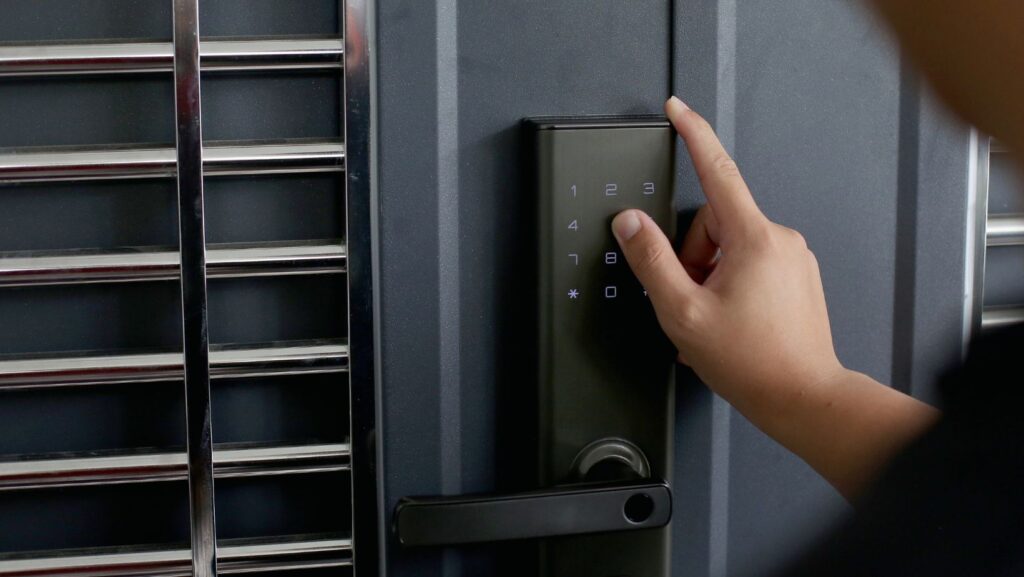
Speaking of DIY security, while the above strategies can definitely be valuable, you need to have realistic expectations. That’s because DIY measures primarily act as deterrents; they reduce the likelihood of a break-in but don’t eliminate the risk entirely.
Most self-managed approaches don’t provide real-time monitoring, immediate response, or professional intervention if something does happen. Many homeowners begin by searching for how to protect your home without a security system, only to realise later that layered protection offers greater peace of mind.
When Professional Support Makes Sense
There often comes a point where DIY measures no longer feel like they’re enough. Changes such as increased travel, valuable assets in your home, or simply the desire for greater reassurance can shift your priorities.
Professional security services aren’t designed to replace your existing home security measures. Instead, they enhance them. Mobile patrols, for example, provide a strong deterrent while ensuring someone is actively watching over your property.
Partnering with an experienced provider also means access to trained professionals who understand risk assessment, response procedures, and preventative strategies. And professional security is often more accessible than people expect, particularly when weighed against potential loss, insurance implications, and personal safety.
Building A Balanced Approach To Home Safety
So, how can you protect your home without a security system? Start with the fundamentals. Strengthen entry points, improve lighting, make it look like someone is home, secure your perimeter, and stay mindful of what’s visible from the outside.
These actions can significantly lower your risk and provide a strong foundation for home safety. However, the most effective security strategies rarely rely on a single layer. Combining smart personal habits with professional expertise creates a more resilient level of protection.
Think of DIY security as your starting point. Professional services can then build upon that foundation when you’re ready. At Frontline Security, we believe home security should be accessible to everyone, which is why we offer flexible packages and pricing options to suit different needs and lifestyles.
If you’d like to find out more about the services we offer and how we might be able to give your current home security a boost, get in touch with us today.